José Mujica

Política = politics

No importa what your own particular “shade” of politica, es imposible not to be impresionado by Jose “Pepe” Mujica.

Políticos = politicians

There are políticos the world over but, when it comes to living by one’s principios, none of them comes anywhere close to the former Uruguayan presidente, José Mujica.

El mundo = the world

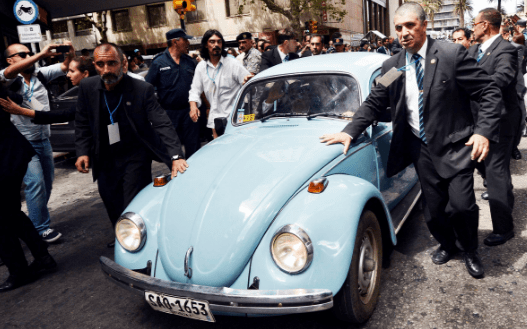
Señor Mujica’s beat-up old VW Beetle is probablemente unos de los cars más famosos en el mundo, y decidió also to forgo the luxury of el Palacio Presidenciál.
jm3

La escalera = the ladder

No sé = I don’t know

“As soon as politicos start climbing up la escalera, they suddenly become kings. No sé how it works, but lo que sí sé is that republics came al mundo to make sure that no one es más than anyone else.” The pomp of office, he said, is like something left over from a feudal pasado: “You need un palacio, red carpet, muchas personas behind you saying, ‘Sí señor.’ En mi opinión all of that is awful.”

Casa = home

Hombre = man (“ombray”)

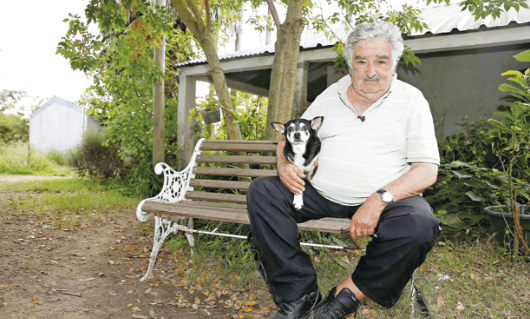
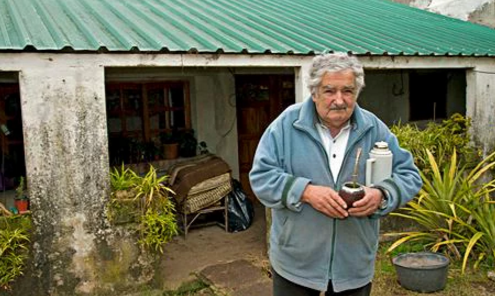
When you visita “Pepe” at his tiny, one-storey casa on the outskirts of Montevideo you realize que el hombre is as good as his word.
jm2

Amigos = friends

Señor Mujica seats himself down on a simple wooden stool delante de a bookshelf that seems on the verge of collapsing under the weight of biographies and mementos from his political adversaries and amigos.

Trece años = 13 years (“tresay anyos”)

Books are importante to the former guerrilla fighter who spent a total of 13 trece years in jail, two of them lying at the bottom of an old horse trough.

Su pasado = his past

La experiencia de su pasado es probablemente why Señor Pepé Mujica gives away about 90%, noventa porcienta of his salary to charity.

Describe = describes (“descreebay”)

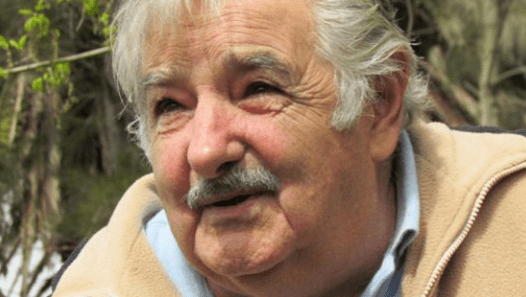
Señor Mujica describe being perplexed by those who question his lifestyle.
jm4

Cosas = things

“Este mundo is crazy, loco! People are impresionada by cosas normales and that obsession worries me!”

Una vida = a life

Not afraid to take a swipe at his otros líderes, he adds: “All I do is live like la mayoria of my people, no la minoria. I’m living una vida normal y los líderes en Italia, España should also live as their people do. They shouldn’t be aspiring to or copying a rich minoria.”

jm10

Más pobre = poorest (“más pobray”)

He has been dubbed el Presidente más pobre del mundo, but he refutes this.

El más pobre = the poorest

“I’m not el presidente más pobre. El más pobre is the one who mucho to live. Mi estilo de vida es una consecuencia of my wounds. I’m the son of my historia. There have been años when I would have been contento just to have a mattress.”

Un estilo de vida = a lifestyle

Soy presidente = I am a president (“presidentay”)

“I have un estilo de vida that I don’t cambia just because soy presidente. I earn more que necesito, even if no es suficiente for others. Para mi, no es sacrificio, it’s a duty.”

jm1

Jose Mujica is outspoken and sometimes brusque, but he can afford to be so.

Más grandes = bigger

Señor Mujica left office with a relatively healthy economia and with social stabilidad those neighbours más grandes, como Argentina y Brasil, could only dream of.

Unos de los politicas más controversiales from his five years, cinco años de Presidente – like the legalisación del aborto y of abortion and canabis – were done for pragmatic reasons.

El amor = love

El hombre = the man (“el ombray”)

“Marijuana is una plaga, another adicción. Some say es bueno, but no, that’s rubbish. No marijuana, tabaco ni alcohol – la única good adicción is el amor!” says el hombre who in 2005 married his long-term partner and former co-revolutionary, Lucia Topolansky.

jm9

Es porque = is why (“es porkay”)

“But 150,000 personas smoke marijuana here and I couldn’t leave them at the clemencia of drugs traffickers,” he says. “It’s easier to controlar something if it’s legal and es porqué we’ve done this.”

El jefe = the boss (“el hefay”)

He was also el jefe who oversaw the legalisación de aborto y de same sex marriage. 

Venga = come on

Para nosotros = for us

El mundo = the world

“We applied a very simple principio: reconoce the facts. Aborto is old as el mundo. Gay marriage, ¡por favor! — it’s older que el mundo. We had Julius Caesar, Alexander the Great, por favor. To say it’s moderno, venga, it’s older que nosotros. Es una realidad objectivo que existe.  Para nosotros, no legalizarlo would be to tortura people needlessly.”

jm8

Señor Mujica is sometimes describido as “el presidente every other country would like to have.”

Ni nada así = nor anything like that

La vida = life

“There’s nothing short-term, no victoria around the corner. I will not achieve paradiso ni nada así. What I want is the fight for the common good to progresar. La vida slips by. The way to prolongarlo is for others to continuar your work.”

Humilde = humble (“oomilday”)

Este líder enigmático remains una inspiración to many, and is a reminder that la política is meant to be una profesión humilde y honorable.

Article adapted from a combination of text from the following sites.

http://www.bbc.co.uk/news/world-latin-america-31679475

https://mic.com/articles/92369/15-powerful-quotes-from-the-world-s-most-humble-president 

La confianza = confidence

Be More Confident Speaking a Foreign Language

Hablar = to speak (ablar)

If you want to hablar en español, realmente tienes que usar the words you are learning.  Tienes que remember that you are increíble, and ready to hablar.

hand-998957_640

Trucos = tricks

Here are unos trucos to help you.


Uno.  Tener una colección de frases that will comenzar un poco de small talk.


Por ejemplo:

Hijos = children (eehos)

Hermanos = siblings (airmanos)

Mascotas = pets

chihuahua-624924_640

¿Tienes hijos?  ¿Tienes hermanos?  ¿Tienes mascotas?

¿Cuántos años tienen?  ¿Cómo se llaman?


Dos.  Tener una colección de frases ready-made to charm.

Comida = food

Pueblo = town

¿Vives aquí? = Do you live here?  (beebes akey)

building-1571487_640

Por ejemplo:

La comida es deliciosa.  ¿Qué otras comidas recomiendas?

Me gusta mucho este pueblo.  ¿Vives aquí?


Tres.  Learning este lenguaje is great.

La vida = life

Remember why you wanted to comenzar learning este lenguaje.  Write it down, and read it antes de estudiar o conversar en español.

scribbling-152216_640

Por ejemplo:

Español es como música para mí.  I like la vida en España.  I like vacaciones en España, and when I estudiar español it makes me feel closer to being en España.


Remembering why you want to estudiar makes it easier to keep tu motivación.


Cuatro.  Memorizar un poema, a song or a beautiful quote.


If you find a piece of lenguaje que realmente te gusta and memorizarlo, people will be delighted that you have taken the time to learn it.

It could be a tongue twister:

¿Usted no nada nada?
No, no traje traje.

(Nada = swim; nada = nothing.  Traje = I brought; traje = costume)

Or:

El vino vino, pero el vino no vino vino. El vino vino vinagre.

(Vino = wine; vino = it came)

white-wine-848268_640

Or it could be a saying:

Si vale la pena hacerlo, vale la pena hacerlo bien.

(If it’s worth doing, it’s worth doing well).

Or:

No dejes para mañana lo que puedas hacer hoy.

(Don’t leave for tomorrow what you can do today).

Or:

Nada hay nuevo debajo del sol.

(There is nothing new under the sun).


Cinco.  Listen realmente bien.

Porque = because (porkay)

Si hablas con alguien en español, relax, and realmente listen to what they are saying.  By giving atención you will receive atención.  Allow espacio to listen and reflect.  El silencio might happen porque you are learning el lenguaje, and if la persona is not paciente with you, find otra persona.

girl-162122_640


Seis.  Think about la persona with whom you are hablando.

El mundo = the world

Es normal que los humanos feel nerviosos when meeting new people.  La persona con quien hablas probablemente feels just as nervioso as you do.  Not every humano en el mundo tiene una confianza perfecta.  Confianza es a lifelong process. Hablar en español might be incomodo, but you will triunfar.

woman-446671_640

—————————–

Inspired by an original piece by Cher Hale on her blog The Iceberg Project.  

Lingholic


Tips to learn new words

Written by Paul Turner for TEFL.net  Adapted into Spanglish by Ruth Darby.  Original available at:

http://edition.tefl.net/articles/teacher-technique/7-tricks-to-help-remember-new-words/


Palabras = words

Nuevas = new

7 siete trucos to help remember palabras nuevas rápidamente y easily.

There are muchas palabras to learn y es difícil to remember them all, let alone usarlas, ¿no?


Hoy = today (oy)

Tengo = I have

Hoy tengo 7 siete ideas to make learning palabras nuevas más rápido y más eficaz.

cobweb-1630493_640

Redes = webs

Cerebro = brain

Idea número uno.


Formar redes with las palabras.  El cerebro takes what we read and makes it into imágenes, ideas, sentimientos … and then el cerebro forma conexiones with what we already know y la información nueva.


Fácil = easy

Árbol = tree

Es más fácil to see un árbol grande with lots of branches and leaves than it is to see a small árbol,  y es igual para el cerebro.  When you conectar una palabra nueva to things you already know you make it easier for el cerebro to find.


Cosa = thing

Una hoja = a sheet (o-ha)

How do you formar una red con las palabras nuevas?  Fácil.

Comienza with las cosas you want to remember en el centro de una hoja of papel.


Dibujar = to draw (di-boo-har)

Escribir = to write

Dibujar lineas from el centro out, como una red.  Al final de every linea escribir any ideas, palabras or even pictures that you think of when you say la palabra o la idea en el centro de la hoja.  Anything is ok.


Hace = it makes

Recordar = to remember

Más conexiones hace que it will be más fácil for el cerebro a recordar.

lego-297773_640

No vienen = they don’t come

Quieres = you want

Idea número dos.


Recordar in chunks.

Español, como inglés, es para comunicar.  Palabras no vienen solas.  Vienen with partners to formar comunicación.  Si quieres recordar la palabra “quieres” escribir something like “¿Qué tipo de vino quieres?”  This will help you recordar that quieres is un verbo about desire.  The next thing to do is to make 3 tres frases completas con la palabra para practicarla.

hand-1515895_640

Pequeña = small (pe-ken-ya)

Nuestros = our

Idea número tres


Usar imágenes.  Dibujar imágenes pequeñas to show the meaning of la palabra.  Nuestros cerebros have so much información normal coming in every momento that una imágen is a nice sorpresa … y es más fácil recordar sorpresas.  Nuestros cerebros are very good at catching información visual, so create a funny imágen and tu cerebro will recordar fácilmente.


mens-1017419_640

Una historia = a story

Loca = crazy

Idea número cuatro


Tell una historia loca.  Es un truco de memoria.  Simplemente make una historia loca y imaginarla en tu mente.  If you can usar la palabra en español y en inglés en la historia … perfecto.  Por ejemplo, quieres recordar la palabra “palabra” which means word.  You could make una historia loca así:

Jesús told a parable about a pal of his.  The pal had a bra to support his boobs, but he didn’t want to call it a bra because he was a señor not a señora, and he didn’t want to call them boobs because he was un señor no una señora, so he inventó una palabra nueva and called his boobs moobs, y llamó the bra una palabra.

Try it.  ¡Te sorprenderás!

tree-309046_640

Buscar = to look for

Las raices = the roots

Idea número cinco


Buscar las raices de las palabras.  Maybe you don’t know la palabra, but when you look at las raices it may help you to make conexiones.  Por ejemplo, you might not know that “pescado” means fish.  Go to Wiktionary, look up pescado, and choose the Spanish Etymology.  The etymology is el estudio de los orígenes de palabras.  You will see that pescado comes from the Latin word piscatus, which you might be able to conectar con pisces, the sign of the fish.

anders-1022316_640

Opuesto = opposite

Igual = the same

Idea número seis


Estudiar palabras en grupos.  Esutdiar palabras con sus opuestos y sus iguales.  Por ejemplo, contento = happy, triste = sad, feliz = happy.  Es más fácil recordar palabras that are similares y diferentes because they stick together en nuestros cerebros.

clock-1376139_640

Según = according to

Aprender = to learn

Idea número siete


Según los psicólogos, que estudian como recordamos, there is a better manera to aprender palabras rápidamente y permanentemente.  You should usar la palabra inmediatemente.  Then usar la palabra after 10 diez minutos.  Then usar la palabra after una hora.  Then usar la palabra after un día.  Then usar la palabra after una semana, one week.  La palabra will be yours forever!


The other Machu Picchu

This article is adapted from an original by Josh Roberts, seen in HuffPost

Ciudad = city

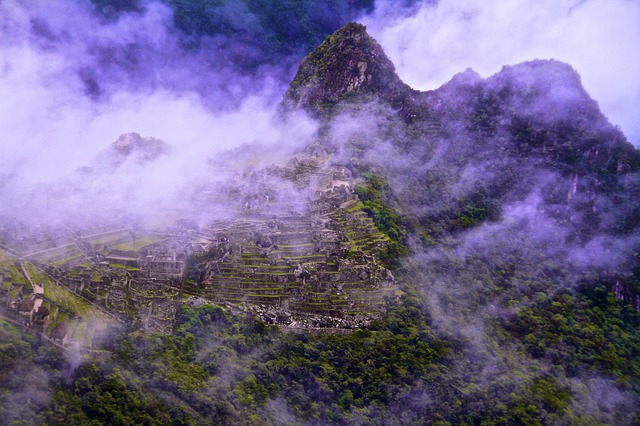
From un distancia Machu Picchu, la ciudad de siglo 15 is everything you hope it will be: una ciudad on top of una montaña 8000 feet above el Río Urubamba.  From a distancia it looks like the postcards.


De cerca = from close up

¿Pero de cerca?

Muchas turistas, autobuses, hoteles, wifi … crowded and noisy.

llama-925094_640


Más alto = higher

Hay otra ciudad on top of una montaña en Perú.  At 10.000 feet Choquequirao (cho-kay-kee-rao) es más alto que Machu Picchu and a lot less accessible.

La ruta tradicional a Choquequirao requiere (re-ki-e-ray)  seis a ocho días on foot at high altitude, y no hay alternativa.  La ruta a Choquequirao es mucho más difícil que la ruta a Machu Picchu.


Consta de = consists of

Calientes = hot

Heladas (eladas) = freezing

La ruta de Choquequirao a Machu Picchu consta de 100 milas en ocho días, con 7 siete noches camping in the wilderness.  In winter los días are calientes and las noches are heladas.

La belleza es increíble … snowcapped montañas, ríos distantes y cóndores volando keep you going on the relentless uphill-downhill trek.

mountain-768333_640

Hace cincuenta años = 50 years ago

Día tres and you arrive!  Choquequirao.  Like Machu Picchu hace 50 cincuenta años.  No crowds.  No roped off areas.  Nada excepto tú y una ciudad anciana en las montañas de Perú.  Nada de límites de tiempo.  This is not an Inca theme park.


Más pequeño (pe-ken-yo) = smaller

Choquequirao es más pequeño que Machu Picchu.  Solo 40%, cuarenta por ciento del sitio has been restaurado.


Hace cinco años = 5 years ago

Hace cinco años uno o dos grupos al mes went to Choquequirao.  Now uno o dos grupos al día go.  El futuro de Choquequirao looks like el Machu Picchu of today.

Y al fin del camino you still get to see Machu Picchu and comparar los dos sitios for yourself.  You can still sacar una foto tremendíssimo de Machu Picchu.

machu-picchu-786412_640

Carnaval

There are muchos festivales en España, known as fiestas.

Carne = meat

Vino = wine

Una de las fiestas principales es la celebración del carnaval.  This is the lead up to the period of Lent en el calendario cristiano, which culminates con la Semana Santa or Easter.

The word Carnaval originally referred to giving up meat, which is carne en español.  It is a reference to the fasting in los cuarenta días before la Semana Santa, and was originalmente a pagan event.  Los romanos also lo celebraron en honor de Baco, el díos del vino.


Ciudad = city

Mundo = world

In ciudades such as Cadiz and Santa Cruz de Tenerife, Carnaval events are recognized as some de los más excepcionales en el mundo, competing for la fama with las celebraciones en Rio de Janeiro, Brazil.


carnival-787078_640


Se disfruta = is enjoyed
En España se disfruta de la carnaval en muchas ciudades, but here are the top recomendaciones.

1.Las Palmas de Gran Canaria

Semana = week

Dos semanas de carnaval sounds pretty cool. No importa if it’s winter, because the Canary Islands have un buen clima all year long. Para los visitantes from abroad, the most surprising fact is that the Gala Queen and the Grand Parade bring together más de 200.000 personas.

carnival-286121_640

2.Carnival in Tenerife

Mundo = world

Chicas = girls

La capital de las Islas Canarias also celebra el carnaval, and it’s uno de los más grandes en el mundo.

Feel the glamour of the ciudad, see the big parades, watch the show filled with las chicas in beautiful costumes aspiring to be the queen del evento.

The air is filled with the pulsating ritmos de la música as people from all over the world gather for esta gran fiesta.

puno-1040131_640

3.Carnival in Cádiz

El sur = the south

La ciudad = the city

There’s no need to leave the Iberian Peninsula para el carnaval.

Simply head for el sur de Andalucía. Este es el carnaval of  songs full de ironía.

Stroll por el centro de la ciudad and feel the atmosphere of fun.

Don’t forget Piñata Sunday, a parade in which joy and humour fill the hearts de los niños y adultos alike.

carnival-319515_640

4.Carnival in Sitges:

Tenga paciencia = have patience/ be patient

In this ciudad 20 km south of Barcelona, facing el mar Mediterráneo there is una gran tradición de carnaval.

During the weekend, crowds of people from Barcelona will travel – with their costumes – a Sitges para una celebración importante.

You won’t find as many parades as in Tenerife, but el ambiente es fantástico and certainly gay-friendly.

It’s easy to get there en tren desde Barcelona, but please tenga paciencia with the crowds.

sitges_carnivalAlgunas = some

Sábado = Saturday

Other big ciudades such as Madrid and Barcelona organizan algunas actividades de carnaval.

If you’re visiting Madrid, go to Chueca neighbourhood.  

If you’re in Barcelona, there’s a parade on el sábado de carnaval. Ask la oficina de turismo for details.

Have a fabulous trip, and enjoy las fiestas de España. . . Carnaval in particular!

La música

A great way to learn language, or to improve the language skills you have, is to listen to música in the language you want to be able to comprender.

If you were learning inglés that might be easier, as inglés is such a dominant language in easy to access, cultura popular.

Luckily for us estudiantes de español, Spanish is on the rise.  What is more, el internet has made el acceso a la cultura española easy for any persona who can get online.

Watch this video to see how easy it can be for you to explorar el tipo de música que te gusta en español …

Here is a link to open Spotify and try it for yourself.

spotify

Eating en España

Entender el menú en España … una introducción to la carta.


En un restaurante en España you may find yourself confronted with a dizzying array of menu items and section headings.  We thought we’d break things down to make dining en España less confusing.

Comer = to eat

Se puede = you can

Primero, la manera de comer en España.  Es aceptable to have a quick bite en un bar, o se puede comer across several different places, as it the case when you ir de tapas.

Hay = there are

Comida = food/ a meal

Although hay muchas maneras to eat on the go en España, una comida formal has a long standing place en la cultura.  It wouldn’t be soprendente for a proper comida to span the entire afternoon.

When los españoles stop for una comida un grupo might go to una bodega for raciones, or go to un restaurante for una comida consisting of varios platos.

cream-1503526_1920

How to order raciones.

Several tapas among un grupo no forma a meal, but the opposite is true when it comes to raciones.

Porque = because

Pedir = to order

No es normal pedir raciones by yourself porque the portions are far too large.  Un grupo de cuatro personas o más está bien para pedir raciones.

Si el grupo only has dos o tres personas es posible pedir media raciones, half la cantidad.

Para empezar = to start

If you want to pedir una variedad, es normal pedir un par de raciones para empezar, and pedir más as you go along.  De esa manera you avoid ending up with más comida than you know what to do with.

people-418563_1920

Platos y el menú del día.

Precio fijo = fixed price

En un restaurante se puede comer de manera más formal.  Se puede pedir de la carta, o del menú del día.  El menú del día gives you varias opciones offered at un precio fijo.  La carta is broken down into courses or categorias.

La primera categoria will be entrantes, entremeses, primeros, or primer plato … different ways of saying starters.  Here you might find sopas y ensaladas.

La segunda categoria es los platos principales, segundos or segundo plato.  You might find carnes here.  These are meats, an easy word to remember.  Carnivores eat carne.  You might also find pescados, fish, think of pisces the sign for the fish.

Guarnición = side dish

Viene con = comes with

Frecuentamente el plato principal viene con el pescado o la carne and not much else.  Guarniciones are normalmente listed towards el fin of the menu.  You might see un plato listed with guarniciones a elegir, which means you choose the sides.  If in doubt ask “¿Viene con guarnición o viene solo?”

Postre = dessert

Bebida = drink (think beverage)

Mesa = table

Muchos restaurantes offer un menú del día at lunchtime on weekdays.  These consisten de dos platos, un postre y una bebida.  Menu opciones are normalmente listed on a chalkboard near the front del restaurante or told to you at the table.  Listening can be difícil, so tomar un foto of the chalkboard as you entrar, then you can reference it at your mesa.

background-1206941_1280

After la comida: postre y sobremesa

Normalmente la comida termina con un postre o café.  Muchos menús del día incluyen el postre y el café en el precio fijo.

La sobremesa refers to el tiempo that you spend after la comida, chatting at la mesa.

Disfrutar = to enjoy

En España no one will rush you to pay la cuenta, the bill.  The sobremesa is para disfrutar de la compañía, and can last una hora after everyone has terminado su comida.  It’s a social componente de comer en España que recomendamos.

Cesar Chavez (1927 – 1993)

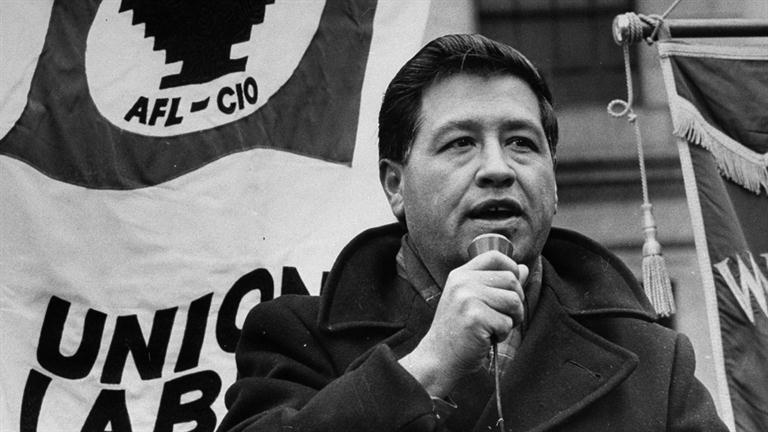
César Chávez era un Mexicano-Americano que trabajaba en la agricultura. ¿Entiendes? Do you understand? ¿Sí? He worked in agricultura.

Read along with me. Pause if you need to.

Era activista de las derechas civiles. César Chávez nació, was born, en la granja, the farm, de su familia near Yuma, Arizona. Chávez witnessed the harsh conditions sufridos by workers on granjas. Los trabajadores, the workers, were often unpaid. They lived in shacks a cambio de su trabajo, without servicios básicos.

Tomar un minuto to try to remember what you just read. Imaginar an image to go with el texto.

Chávez dedicó su vida to winning reconocimiento for los derechos, the rights of los trabajadores. He helped to organizar los trabajadores to formar The National Farm Workers Association, La Asociación Nacional de los Trabajadores Agricultores.

Repite el proceso. La creación de un imágen mental helps to formar conexiones en el cerebro.

Through marches, strikes and y boicots, Chávez obligó a los empleadores a pagar adequate wages and provide otros beneficios. Él era responsable de la legislación enacting the first Bill of Rights for workers agrícolas.

What do you think “él era responsable” means? Ask in the comentarios if you have any doubts, dudas.

Los trabajadores agrícolas have the lowest annual family incomes of any U.S. workers. They are excluidos de la mayoría of minimum wage and hour garantías, and do not have el derecho the right to overtime pay.

Este parráfo se trata del presente, no del pasado. ¿Entiendes? Do you understand.

Los trabajadores agrícolas are exposed to pesticidas tóxicos, which have been linked to health problems incluyendo problemas reproductivos, birth defects, and varias condiciones tales como cáncer, diabetes and Alzheimer’s disease.

Would you like to trabajar en la agricultura en Los Estados Unidos? Do you think los américanos want to? Do you think los méxicanos want to?

Esclavitud = slavery
There have been multiple recognized casos de esclavitud moderna in the fields in the United States, los campos de Los Estados Unidos. Trabajadores agrícolas living in indentured servitude are held as esclavos through threats, violencia, coerción y manipulación.

¿Qué piensas? ¿Do you think la esclavitud es común o poco común? This article is not referenced. Do you think it is verdad, true? Read on!

Los trabajadores agrícolas often live in substandard housing with unsanitary condiciones. En muchos casos, the property owner has a monopoly on the housing, which allows him or her to charge precios altos in rent for these poor living conditions.

Los niños as young as 12 can be contratados para la granja work according to federal law. Farm workers as young as 16 perform dangerous tasks que están legalmente prohibidos en otras industrias.

Los niños de familias de trabajadores migrantes have the lowest high school graduation rate in the country, alrededor del 10%. Many must work to help a sus padres make ends meet, and they change schools every time que su familia travels for seasonal work.

Most farm workers also lack de protecciones laborales básicas such as workers’ compensation, health insurance and disability insurance. Necesitan a una persona como César Chávez ahora más que nunca.

You have llegado al final de the reading task. Tomar un minuto to escribir unas notas about what you can remember, recordar. If you can, put some of your notas en español. I would love to see what you have escrito!

Las opiniones de César Chávez

We must admit our lives are all that really belong to us. Debemos admitir que nuestras vidas son todo lo que realmente nos pertenecen.

The fight is never about grapes or lettuce. La lucha nunca es uva o lechuga. It is always about people. Se trata siempre de personas.

Our language is the reflection of ourselves. Nuestra lengua es el reflejo de nosotros mismos.

Click here to go back to the 4 tareas de la semana.