Cognates for Confidence

https://www.youtube.com/watch?v=66INT60c8rc

Hola.  Today I want to think about el fenómeno of how much español is words that end with one of just 2 letras: la letra -o and la letra -a.  And how, en muchos casos, the words are prácticamente igual en inglés, or if not exactamente igual, very, very similar.

Today is all about building confianza: confianza to listen … or read … and understand.  Confianza to stick an -o or an -a on the end of a word and hope for the best.  It might sound ridículo, but lo importante when it comes to communicating is to have a go!  La persona who says “I’m bueno knackado” when they’re tired gets more mensaje across than la persona who says absolutamente nada!

Claro, la diferencia is en la pronunciación … la forma o manera de pronunciar a word.  So Spanish it up un poco.  You can do it!  If you are in Spanish-speaking compañía say diferencia instead of difference.  “Dee-fe-ren-sia”.  La pronunciación of the word es un poco diference, but we understand it!

Sometimes a word looks realmente similar but la pronunciación es muy diferente.  This is because some letras en español carry different sounds to the sounds they carry en inglés.  I’ll give you un ejemplo:  la letra “V” carries a “b” sound.  Your visit to Aunty María is your “bee-seeta-a Tía María”.  Yes, Tía María means Aunty María!

Visita sounds diferente to visit.  The fact that it looks similar is a big help for us though.

Otro ejemplo of una letra that has un sonido diferente es la letra “U”.  It always makes an “oo” sound en español.  University is universidad … “ooni-bersi-dad” or “oonee-bear-see-dad!”

Here are 4 words for you to try:

  • aventura (adventure)
  • influencia (influence)
  • número (number)
  • entusiasmo (enthusiasm)

Of all the words today, entusiasmo is one of mis favoritos.  It sounds good.  The origén of the word is Greek, and means to be filled with God.  The meaning is to have un gran interés and an eagerness for algo.

We have entusiasmo for español, for using español and for el contacto con la cultura that español gives us.  We have entusiasmo for our progreso, and it is práctica that makes our progreso posible, so well done to you for taking this oportunidad to practicar un poco and have a look at all these words.  How many of them ended con la letra -a or la letra -o?

¡Lo hiciste!  You did it!

Feel free to download the words and print them out, and please get in touch if you would like to continuar la conversación.

Hasta la próxima

smiley-163510_1280

Slide9

Why do tests? Lesson 7

In some sistemas educativas there is a lot of testing, and in some there is very little.  I work in un sistema that is centered around tests and, very often, I don’t like what I see.

There are some children who have goodness only knows what going on in their vidas personales.  There are children who didn’t understand en clase and who have a deep belief that they cannot achieve.  If these children get a test to do that is mostly beyond them, it will only strengthen negative and damaging beliefs. The exact opposite of what teachers should be aiming to do.

There will always be some children who pay attention in class, who are able to focus, who understand first time and who go home to supportive familias where there is time and space for revision and homework.  If these children know what is going to be on a test then the chances are that they will get a very good mark.  That’s fine for them … but it might exacerbate the negative effects on the first grupo de niños that I talked about.

Why do tests at all?

Tests that are built into un curso can be a great parte de una educación.  They can help niños focus on what they have learned so far.  They can serve as markers of achievement.  They can build confianza and group unity.  But in order to be truely useful the people who take those tests need to be able to get most of the questions correcto.  Here are my guidelines to assessment for learning.

  1. All tests should help learners learn (the only exception is the final exit exams used by employers etc.  The final GCSE exams en mi caso).
  2. All niños should be given suficientes oportunidades para estudiar en clase to the extent needed for them to easily secure 80% of the marks in the test.
  3. Marking should be generoso, not pedantic.  With lenguajes, el gol es la comunicación.  If someone misses off un acento or gets the spelling a bit off, no importa.  El objeto is to comunicar when you travel or do business.  Plus, there is plenty of time to get spelling accurate later.  I am not saying don’t correct, but I am saying don’t dock points for it.

Tests should be una celebración that helps learners to feel good about what they are learning.  They should NOT compound disadvantage.  If we build confianza in our schools better learning will definitely follow.  Have a look at the powerpoint that I used to help children revise their first Spanish learning. You can see that I used this test after siete clases. If you have any questions, no dudas en contactarme.

Spanish lesson 7 Powerpoint

Expose yourself to español!

I don’t know = no sé, and it sounds like “no say”. Well, if you don’t know, you don’t say … no sé!
No sé si estudiar español by reading, leyendo esta página (say “pa-hee-na”) te resulta difícil o no. I hope, ojala (say “ohala”) that you can leer y absorber el lenguaje by exposure to español, without too many problemas.

I think that lenguaje is one of the principal skills de la raza humana (say “oomana”). I have noticed that personas with very low IQs hablan. It is almost más difícil not to learn un lenguaje if you are exposed to it. So as long la manera of getting that exposure doesn’t involve mucho work, and especialmente if you can comprender most of it, you will be able to make up the rest as you go along.
If you have got to este punto yo recomendaría that you begin to listen to some español.

  • Do you use Spotify? Browse to the charts and find Spain on the international charts. Or browse to Latino and then choose el tipo de música que te gusta, that you like en español.
  • Work at una computadora? Put on la radio en español. For música de pop: Los 40, y for la música clásica: RTVE.   
  • Still use DVDs (say “day, oobay, days”)? Once in a while choose to listen to a film en español with English subtitles.  It doesn’t have to be an arty Spanish film … no importa.  It can be Forest Gump and you are still listening to people hablando en español.

Poco a poco los sonidos y el ritmo del lenguaje entran la mente, enter the mind.  Keep coming back to Spanglish Fantastico to leer español and learn new words.  Combinar este exposure with uno de mis recomendaciones for listening.  Enjoy español.

La gramática

I have to say, generalmente (say “heneralmentay”) I can’t stand la gramática.  En mi opinión it is like a stick, used by the people who love it, to beat those people who don’t love it.  They come out with guff like this (see if you can follow it):

“To ask the name of a person who is the indirect recipient of an action (expressed as the object of a preposition), use the preposition a (“to”), as in the sentence “To whom are you writing?”  The preposition a (“to”) must be included before the interrogative pronoun ¿quién? (or ¿quiénes?).”

 – Practice Makes Perfect, Spanish Pronouns and Prepositions by Dorothy Richmond.

To be fair to la autora, it come from a book dedicado a la gramática, so I could razonablemente expect to find this kind of thing inside the covers, but that doesn’t make me like it any more, especialmente when I look on the back of the book and find that it is aimed at high level beginners!

There are only dos, 2, words of español in that hideous páraffo: a = to, and quién = who (or whom … bloody WHOM!!)!!  How can una persona hope to learn español from that?  What is more, the whole páraffo is almost incomprensible to all those of us who have not done degrees in linguistics.  When una persona makes la decisión to estudiar español, they don’t want to confront inglés que no comprende … in fact, it could make them feel that la idea to estudiar español was a bad one.  Too much of una montaña to climb.

So, generalmente, I detesto la gramática when it is presentado in those elitist terms.  That doesn’t mean I don’t use it, and it can be útil to agrupar words in a way that some people would call “la gramática.”  Here is un verbo:

  • Yo soy = I am
  • Tú eres = You are
  • Él es = He is
  • Ella es = She is
  • Usted es = You are (formal)

Can you completar las frases with soy, eres or es?

  1. Yo me llamo Ruth. Yo _____ profesora de español.
  2. ¿Cómo te llamas? ¿Tú _____ estudiante?
  3. No _____ estudiante.  Yo _____ recepcionista en un hotel.
  4. Mi amiga Sofía  _____ estudiante de música.
  5. Hola Sofía. ¿Tú _____ estudiante en mi colegio?
  6. Yo _____ estudiante en un colegio en Warwick.


En inglés los verbos cambian un poco.  Por ejemplo, I have, she has, we have.  En español los verbos cambian un poco más.

When you comenzar to speak español, no es normal to get your verbs correcto … es normal to muddle through and make loads of errores but get your mensaje across.  Spanish speakers have an expression for this … they say “You talk like an Indian” … “Hablas cómo un Indio”.  Insultante, sí; but easier to say than “You don’t conjugate your verbos correctamente!”  And the fact that there is an expression for it underlines how normal it is.

Mantén la calma y habla español.


“NO” a la perfección

Es posible comunicar con español y inglés

Español, español, español.  Don’t worry.  Es posible comunicar, that’s all that matters.


Don’t correct other people

Maybe, when you went to el colegio, there were profesores or estudiantes that corrected you whenever you opened your boca.  That tipo of thing can put you right off.  I hate it when people correct each other’s español!  It bugs la vida out of me!

En mi opinión, if people do that then they are listening for you to make an error (and I don’t completamente believe in errores anyway).  What I want to occurir when dos personas speak inglés, español, or any other lenguaje, is comunicación.  I don’t want to witness people exhibiting un complejo de la superioridad instead of listening for el mensaje.

Who can definir what is correcto anyway?  Aren’t there lots of kids’ jokes basado en la idea de un profesor who jumps in to corregir a un estudiante, only to be shown up because the correction was wrong …

  • Johnny, start a sentence with I …
  • I is …
  • No Johnny, we say I am.
  • Ok, I am the ninth letra del alfabeto.


Don’t be hard on yourself

So, no me gusta when una persona critica las frases de otra persona en mi clase.  Another thing que no me gusta is the self-criticism that can stop us from just talking.  La idea que es necesario to speak in some imaginaria “español perfecto” appalls me.  It is an unattainable, elitist concepto, basado on the worst tipo de sistema educativa.

La manera inteligente to approach learning un lenguaje is to get on with it primero, and years later, you can perfeccionar your vocabulario and gramatica if you so desear.

To sum up:  how can you posiblemente start off with the required standard set at LA PERFECCIÓN?  ¡Claro!  You bloody can’t, simple as that!  So por favor, don’t look for it from others or from yourself, and you can begin to hablar español.

La confianza = confidence

Be More Confident Speaking a Foreign Language

Hablar = to speak (ablar)

If you want to hablar en español, realmente tienes que usar the words you are learning.  Tienes que remember that you are increíble, and ready to hablar.

hand-998957_640

Trucos = tricks

Here are unos trucos to help you.


Uno.  Tener una colección de frases that will comenzar un poco de small talk.


Por ejemplo:

Hijos = children (eehos)

Hermanos = siblings (airmanos)

Mascotas = pets

chihuahua-624924_640

¿Tienes hijos?  ¿Tienes hermanos?  ¿Tienes mascotas?

¿Cuántos años tienen?  ¿Cómo se llaman?


Dos.  Tener una colección de frases ready-made to charm.

Comida = food

Pueblo = town

¿Vives aquí? = Do you live here?  (beebes akey)

building-1571487_640

Por ejemplo:

La comida es deliciosa.  ¿Qué otras comidas recomiendas?

Me gusta mucho este pueblo.  ¿Vives aquí?


Tres.  Learning este lenguaje is great.

La vida = life

Remember why you wanted to comenzar learning este lenguaje.  Write it down, and read it antes de estudiar o conversar en español.

scribbling-152216_640

Por ejemplo:

Español es como música para mí.  I like la vida en España.  I like vacaciones en España, and when I estudiar español it makes me feel closer to being en España.


Remembering why you want to estudiar makes it easier to keep tu motivación.


Cuatro.  Memorizar un poema, a song or a beautiful quote.


If you find a piece of lenguaje que realmente te gusta and memorizarlo, people will be delighted that you have taken the time to learn it.

It could be a tongue twister:

¿Usted no nada nada?
No, no traje traje.

(Nada = swim; nada = nothing.  Traje = I brought; traje = costume)

Or:

El vino vino, pero el vino no vino vino. El vino vino vinagre.

(Vino = wine; vino = it came)

white-wine-848268_640

Or it could be a saying:

Si vale la pena hacerlo, vale la pena hacerlo bien.

(If it’s worth doing, it’s worth doing well).

Or:

No dejes para mañana lo que puedas hacer hoy.

(Don’t leave for tomorrow what you can do today).

Or:

Nada hay nuevo debajo del sol.

(There is nothing new under the sun).


Cinco.  Listen realmente bien.

Porque = because (porkay)

Si hablas con alguien en español, relax, and realmente listen to what they are saying.  By giving atención you will receive atención.  Allow espacio to listen and reflect.  El silencio might happen porque you are learning el lenguaje, and if la persona is not paciente with you, find otra persona.

girl-162122_640


Seis.  Think about la persona with whom you are hablando.

El mundo = the world

Es normal que los humanos feel nerviosos when meeting new people.  La persona con quien hablas probablemente feels just as nervioso as you do.  Not every humano en el mundo tiene una confianza perfecta.  Confianza es a lifelong process. Hablar en español might be incomodo, but you will triunfar.

woman-446671_640

—————————–

Inspired by an original piece by Cher Hale on her blog The Iceberg Project.  

Lingholic


Tips to learn new words

Written by Paul Turner for TEFL.net  Adapted into Spanglish by Ruth Darby.  Original available at:

http://edition.tefl.net/articles/teacher-technique/7-tricks-to-help-remember-new-words/


Palabras = words

Nuevas = new

7 siete trucos to help remember palabras nuevas rápidamente y easily.

There are muchas palabras to learn y es difícil to remember them all, let alone usarlas, ¿no?


Hoy = today (oy)

Tengo = I have

Hoy tengo 7 siete ideas to make learning palabras nuevas más rápido y más eficaz.

cobweb-1630493_640

Redes = webs

Cerebro = brain

Idea número uno.


Formar redes with las palabras.  El cerebro takes what we read and makes it into imágenes, ideas, sentimientos … and then el cerebro forma conexiones with what we already know y la información nueva.


Fácil = easy

Árbol = tree

Es más fácil to see un árbol grande with lots of branches and leaves than it is to see a small árbol,  y es igual para el cerebro.  When you conectar una palabra nueva to things you already know you make it easier for el cerebro to find.


Cosa = thing

Una hoja = a sheet (o-ha)

How do you formar una red con las palabras nuevas?  Fácil.

Comienza with las cosas you want to remember en el centro de una hoja of papel.


Dibujar = to draw (di-boo-har)

Escribir = to write

Dibujar lineas from el centro out, como una red.  Al final de every linea escribir any ideas, palabras or even pictures that you think of when you say la palabra o la idea en el centro de la hoja.  Anything is ok.


Hace = it makes

Recordar = to remember

Más conexiones hace que it will be más fácil for el cerebro a recordar.

lego-297773_640

No vienen = they don’t come

Quieres = you want

Idea número dos.


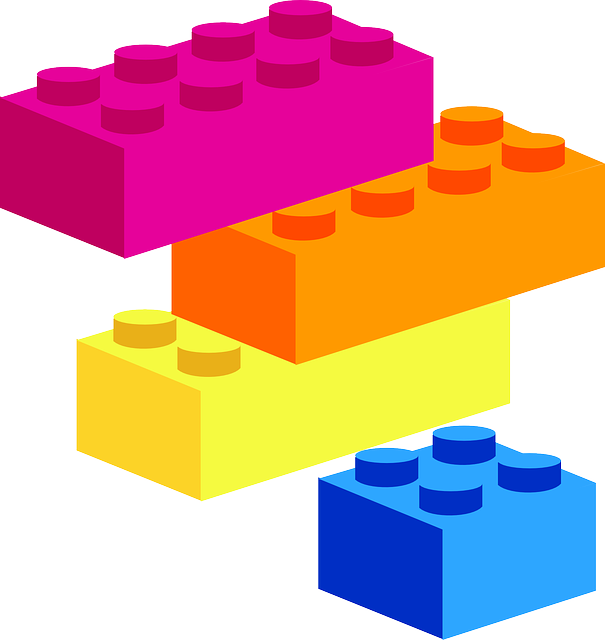
Recordar in chunks.

Español, como inglés, es para comunicar.  Palabras no vienen solas.  Vienen with partners to formar comunicación.  Si quieres recordar la palabra “quieres” escribir something like “¿Qué tipo de vino quieres?”  This will help you recordar that quieres is un verbo about desire.  The next thing to do is to make 3 tres frases completas con la palabra para practicarla.

hand-1515895_640

Pequeña = small (pe-ken-ya)

Nuestros = our

Idea número tres


Usar imágenes.  Dibujar imágenes pequeñas to show the meaning of la palabra.  Nuestros cerebros have so much información normal coming in every momento that una imágen is a nice sorpresa … y es más fácil recordar sorpresas.  Nuestros cerebros are very good at catching información visual, so create a funny imágen and tu cerebro will recordar fácilmente.


mens-1017419_640

Una historia = a story

Loca = crazy

Idea número cuatro


Tell una historia loca.  Es un truco de memoria.  Simplemente make una historia loca y imaginarla en tu mente.  If you can usar la palabra en español y en inglés en la historia … perfecto.  Por ejemplo, quieres recordar la palabra “palabra” which means word.  You could make una historia loca así:

Jesús told a parable about a pal of his.  The pal had a bra to support his boobs, but he didn’t want to call it a bra because he was a señor not a señora, and he didn’t want to call them boobs because he was un señor no una señora, so he inventó una palabra nueva and called his boobs moobs, y llamó the bra una palabra.

Try it.  ¡Te sorprenderás!

tree-309046_640

Buscar = to look for

Las raices = the roots

Idea número cinco


Buscar las raices de las palabras.  Maybe you don’t know la palabra, but when you look at las raices it may help you to make conexiones.  Por ejemplo, you might not know that “pescado” means fish.  Go to Wiktionary, look up pescado, and choose the Spanish Etymology.  The etymology is el estudio de los orígenes de palabras.  You will see that pescado comes from the Latin word piscatus, which you might be able to conectar con pisces, the sign of the fish.

anders-1022316_640

Opuesto = opposite

Igual = the same

Idea número seis


Estudiar palabras en grupos.  Esutdiar palabras con sus opuestos y sus iguales.  Por ejemplo, contento = happy, triste = sad, feliz = happy.  Es más fácil recordar palabras that are similares y diferentes because they stick together en nuestros cerebros.

clock-1376139_640

Según = according to

Aprender = to learn

Idea número siete


Según los psicólogos, que estudian como recordamos, there is a better manera to aprender palabras rápidamente y permanentemente.  You should usar la palabra inmediatemente.  Then usar la palabra after 10 diez minutos.  Then usar la palabra after una hora.  Then usar la palabra after un día.  Then usar la palabra after una semana, one week.  La palabra will be yours forever!


La música

A great way to learn language, or to improve the language skills you have, is to listen to música in the language you want to be able to comprender.

If you were learning inglés that might be easier, as inglés is such a dominant language in easy to access, cultura popular.

Luckily for us estudiantes de español, Spanish is on the rise.  What is more, el internet has made el acceso a la cultura española easy for any persona who can get online.

Watch this video to see how easy it can be for you to explorar el tipo de música que te gusta en español …

https://www.youtube.com/watch?v=J0ytYzEA2u8&feature=youtu.be

Here is a link to open Spotify and try it for yourself.

spotify