
Duolingo is great.
- It is free
- It is easy
- It feels like a game
… BUT … lots of people get a very long way into their streak before they are able to produce Spanish (or whatever other language they are learning) from memory.
If I study Spanish every day for 50, 100, or 365 days, I want to be able to reel off a massive quantity of Spanish words at will, on demand. I don’t just want the receptive skills of being able to recognise familiar Spanish words I hear or read; I want the productive skills of being able to write Spanish words on a blank piece of paper, or speak my own Spanish words out of thin air.
The same things that apply to the Duolingo app (free, easy, game-feel) apply to making the words stick, so here is how to do it.
Step 1
Write down the words in Spanish and English as you go through them. Pen and paper is fine. I put mine in a Word Doc. Whatever is quick and easy for you!

Step 2
When you have your list, cover the English and recall what the words mean. Cover, translate, recall, and cover again. You are practicing RECALL (and that’s what matters!)

Step 3
Make a note of the words you couldn’t recall. You can use a scale … ** can mean zero recall, and * can mean imperfect recall. Test these again another day.
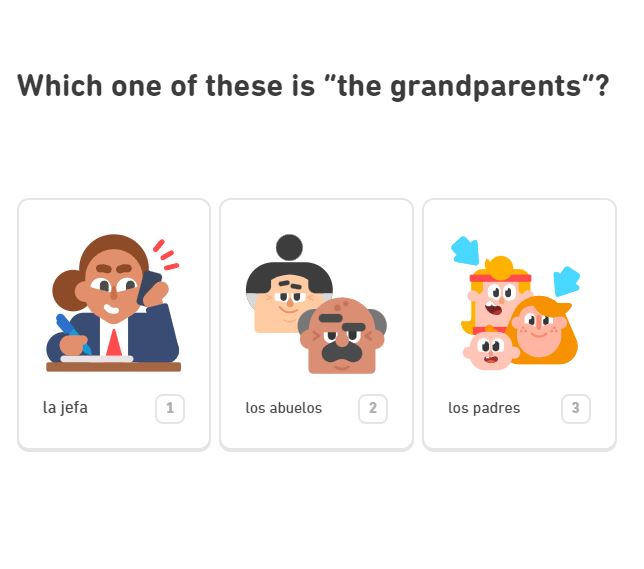
This method of learning vocab is free … all you need is a pen and paper.
It is also easy … note down words while you are on the app, and test yourself afterwards.
It is fun … there is something satisfying about getting good marks on your tests. It is even more satisfying if you have had to work for it and you get your good marks on the second or third attempt.
One last thing …
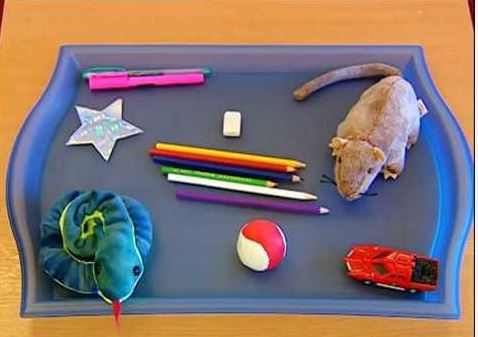
Do you remember playing Kim’s game as a child? A tray with several items on it was studied, then covered, and one item was removed. The aim was to figure out what had gone.
As you learn Spanish, try to memorise word lists in English. Then recall the English and the Spanish from thin air. Give yourself a blank sheet of paper and nothing more, and see how many Spanish words from your list you can remember.

 Spanglish Fantástico